
Kakasana (The Crow Pose) - Who should Avoid, Benefits of Kakasana, How to do Kakasana
- Abha

- Aug 27, 2020
- 5 min read
Kaka is commonly referred in Sanskrit as Crow.
There is a famous verse in Subhashita
Subhashita
(The Sanskrit verses that provide moral and ethical advises)
काकः कृष्णः पिकः कृष्णः को भेद पिककाकयोः वसन्तसमये प्राप्ते काकः काकः पिकः पिकः
Kakah krishna pikah krishna, Ko bheda pika kaka yoho? Vasanta samaye praptey, Kakah kakah pikah pikaha!
Here Kaka is referred to Crow, Krishna is a synonym to Black. Pika is referred to Cuckoo. Vasanta is Spring, Samaye is time, Praptey is ‘Let come’.
The verse explains that:
Both the Crow and the Cuckoo birds are black in color. So, what is the difference? When the Spring comes - the Crow caws, while the Cuckoo bird Coos.
The verse is meant to signify the difference between ordinary and great people. They both may perform similar actions throughout a day like eating, sleeping, etc. So what is the difference between the two? When life gives them challenges and the time arrives to display one’s knowledge and action, the difference between them becomes clear and evident.
So, Kaka is clearly crow. This should be unforgettable now.
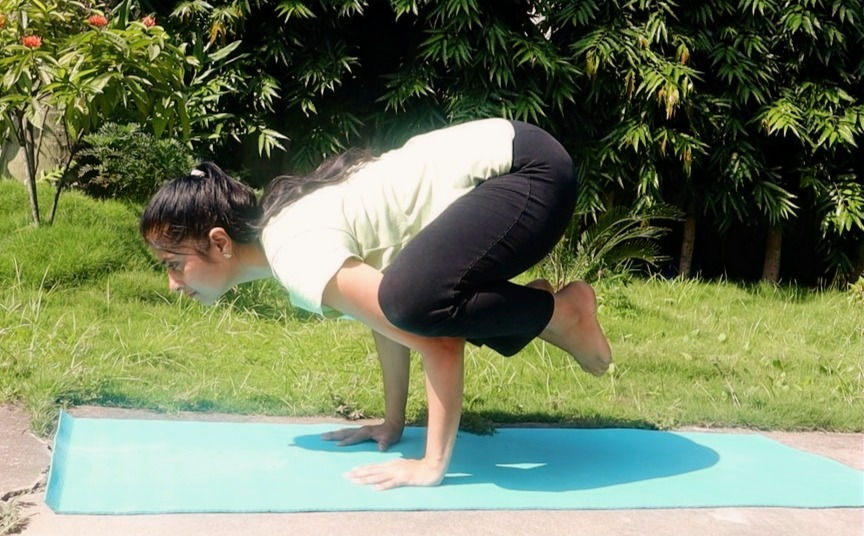
When we add the word Asana (or Pose) next to Kaka, it becomes Kakasana (Literally meaning Crow Pose).
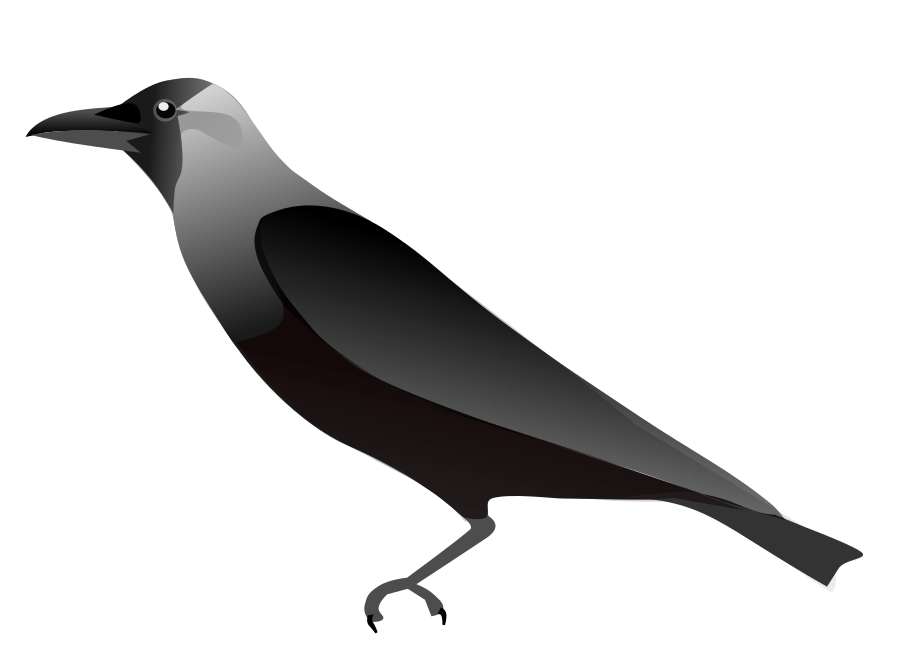
If you have ever seen a crow closely, you can identify that the legs of the crow are bent slightly and the entire body rests on it.
Similarly, when we practice Kakasana, our arms are bent slightly resembling a crow and the entire body weight is carried up on our arms. Hence, this asana is categorized under the arm balancing poses according to Hatha Yoga.
The body of a crow is very light and hence the balance is very easy and natural, but when humans try to do this pose, it gets difficult.
Therefore, in Kakasana as the entire weight is on the arms, this is considered as an advanced level yoga asana, but for people who practice yoga regularly, this is an intermediate level yoga asana. Because once the yoga practitioner develops the body for it, he or she can do it without much difficulty.
What makes Kakasana so special?
You are balancing your entire body on your arms without any support. So, for a beginner level yogi, there is a high possibility to fall on his/her face. So, Kakasana is for someone who is ready to face their challenges and weaknesses. It is also given a lot of importance as it helps the practitioner test their mental, emotional and physical strength – all at the same time.
Even if Kakasana is so good, there are some conditions when you should avoid trying this Asana.
Who should avoid Kakasana?
If you are suffering from Migraine, you should avoid this pose as in Kakasana, your brain will face a lot of pressure because the blood flows towards your head. So, if you face issues related to Migraine, avoid this pose completely, as it may increase your migraine related issues.
In Kakasana, you are balancing your body on your arms and wrists. So, if you have weak wrists or any issues with arm strength like carpel tunnel syndrome, avoid Kakasana or take caution while practicing it.
Pregnant women should avoid this asana completely, as there is a possibility of falling from this asana, which may result in fearful consequences.
Kakasana places a lot of burden on pelvic muscles, so if you are a woman who bleed heavily during their mensuration, you should avoid this pose.
If you have any hip injury or any recent medical condition attached to your hip, avoid this asana.
The practitioner should be mentally prepared for doing this asana, so if you have any kind of anxiety related issues, avoid this pose or take caution while practicing it.

How to do Kakasana?
Place your yoga mat on your yoga spot without much disturbances, it is important to keep your mind from wandering in Kakasana.
(About your yoga spot, we recommend that you should select any one spot in your home or wherever you practice Yoga. The selected place should be free from any noise or external disturbances, should have ample light and adequate ventilation.We recommend that you choose one particular spot and make it your Yoga spot. Changing spots daily is not encouraged and should be avoided. Read More)
If you are trying Kakasana for the first time, it is highly recommended that you place a pillow or cushion in front of you. (This is to avoid any injury in case of fall, and many yoga practitioners fall while practicing it during their initial days)
Once you are set, follow the procedure:
Stand on your yoga mat with your legs apart.
Squat down and place your palms firmly on your yoga mat, between your knees.

You should also keep your fingers apart so getting maximum grip.
Fix a point in front of you where you will focus. Keep looking at this point - this will help in balancing for a longer time.
Then bend your arms slightly and place your knees on your elbows. (While doing this, your legs will raise from the mat. If you are able to do this easily - Great !!!) For beginners, you can put one knee at a time while raise one leg, and them slowly raise the other leg.

Then slowly lean forward.
Hold on to this position for a few seconds and slowly come down.
Watch the Video Again Slowly to Understand the Sequence Properly
What are the benefits of Kakasana?
As the entire balance is on arms and writs, Kakasana is a very good asana to improve your arms, wrists and shoulders.
If you spend a lot of time sitting on a desk or computer, Kakasana is a very good asana, as it stretches the muscles of forearms and fingers.
In Kakasana, it seems that the entire body weight is on arms, but the main challenge is faced by the core muscles. So, Kakasana is extremely useful for strengthening core muscles and also toning your belly.
The peculiar force of Kakasana on the stomach and intestines, also helps in improving digestion.
Kakasana also deepens your own awareness about your body and is beneficial to improve balance and concentration and to develop a sense of calmness.
As pointed that the asana is not a beginner level asana, the practice of this increases your flexibility and makes your body ready for more difficult asanas.
Want help in starting with Yoga - Start your free yoga session this Weekend.
Kayanama.com is a participant in the Amazon Services LLC Associates Program, an affiliate advertising program designed to provide a means for sites to earn advertising fees by advertising and linking to Amazon.com. Pages on this site may include affiliate links to Amazon and its affiliate sites on which the owner of this website will make a referral commission.


Comments